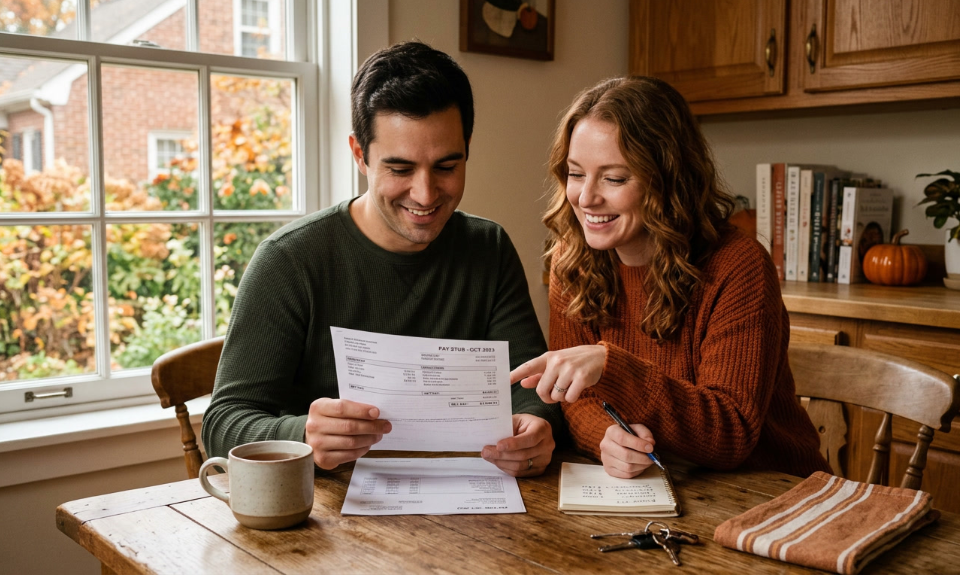
For many of our members, the years right after retiring are actually the lowest-income years of their adult life. Before Social Security kicks in, before Required Minimum Distributions begin, there's often a quiet window of two to eight years where income drops significantly and the tax planning opportunities that come with it go largely unused.
We want you to know that window exists, because it's one of the most valuable stretches in a retirement plan and most people let it pass without taking advantage of it.

What Is a Roth Conversion?
A Roth conversion means moving money from a traditional IRA into a Roth IRA. With a traditional IRA, contributions were made pre-tax, meaning you deferred the tax at the time you earned the money. Every dollar you eventually withdraw will be taxed as ordinary income. With a Roth IRA, contributions are made after-tax, and from that point forward, all growth and qualified withdrawals are completely tax-free. A Roth conversion is the decision to take money that's sitting in a traditional IRA, pay the income tax on it now, and move it into an environment where it will never be taxed again.
Why Early Retirement Is the Ideal Time

The reason early retirement is such a compelling window for this strategy comes down to bracket management. If your income has dropped because you're no longer working and haven't yet started Social Security or RMDs, your marginal tax rate may be lower than it's been in years, and lower than it will be again in the future. Converting during that period means intentionally generating taxable income in a year when your rate is favorable, rather than waiting until distributions are forced on you at a higher rate. For many clients, that difference is 10 percentage points or more. On a $100,000 conversion, that's $10,000 in tax savings, and the benefit compounds over time as that money continues to grow tax-free.
Required Minimum Distributions are a significant part of why this matters. Starting at age 73, the IRS requires you to withdraw a minimum amount from your traditional IRA each year, whether you need the money or not. Those withdrawals are fully taxable, and for clients who have spent decades building up an IRA, the RMD amounts can be substantial. When you add Social Security income on top of that, taxable income in retirement can end up higher than many clients expect. Doing Roth conversions in the years before RMDs begin reduces the balance that will eventually be subject to those required withdrawals, which reduces the taxable income problem before it starts.
Additional Long-Term Benefits
There are additional benefits worth understanding. Roth IRAs are not subject to Required Minimum Distributions during the owner's lifetime. That means money in a Roth can continue growing tax-free for as long as you live, without the government forcing withdrawals on a schedule you didn't choose. For clients who don't need all of their retirement savings for living expenses, this is a meaningful advantage. And when the account eventually passes to your heirs, they receive it income-tax-free as well. If leaving something behind is part of your thinking, a Roth is one of the more tax-efficient assets you can pass on.
When a Roth Conversion May Not Be the Right Strategy
Now, this strategy is not right for everyone, and it's important to be honest about that. If you're still in your highest earning years, converting now could push you into a higher bracket rather than help you avoid one. If a large conversion in a single year triggers Medicare Income-Related Monthly Adjustment Amounts, which are surcharges on your Part B and Part D premiums based on income, those costs can offset some of the tax benefit. The interaction between a Roth conversion and your overall income picture, including Social Security taxation thresholds and potential ACA premium tax credits if you're not yet on Medicare, requires careful calculation. The right conversion amount in any given year is not a simple number. It's a calculation.
Why Have This Conversation Early?
That's why we raise this topic with clients rather than waiting for them to ask. Most people don't know this window exists until it's already narrowing. If you retired in the last few years, or if you're planning to retire in the next two or three, this is a conversation worth having before decisions are made by default.

Recently retired? A few things worth a second look:
- How much do you have in traditional IRAs versus Roth accounts?
- Have you started Social Security yet?
- Do you know roughly when your Required Minimum Distributions will begin and what they're likely to be?
You don't need exact answers, but having a general sense of those numbers helps us identify quickly whether a conversion strategy is worth modeling out for your situation.
For clients who are in the right window, a well-executed Roth conversion strategy done thoughtfully over several years can:
- reduce lifetime tax liability meaningfully
- reduce the burden of RMDs in later retirement
- leave a more tax-efficient legacy for the people you care about.
It's one of those strategies that looks obvious in hindsight, which is exactly why we'd rather talk about it now.
A Roth conversion isn't right for everyone, but it's a question worth asking. As part of every CSI360™ Financial Health Checkup, we help clients figure out whether converting makes sense for their specific situation, including tax brackets, timing, and long-term goals.
→ If you've recently retired or you're getting close, let's take a look together. Schedule your CSI360™ checkup today.